There are different kinds of dominant narratives. Some are incidious and motivated. They are promoted to support the system (rather than any individual idea/goal) and many that speak such narratives probably don’t even think that is what they are doing any more than the public at large question them, eg – the virtue of having a Kiwisaver. ANZAC day commemorations; They fought for our country/freedom … which reduces the soliders’ reasons for joining from the many complex reasons; social pressure, a lack of understanding what joining actually meant, a desire to leave town, family, thinking they would see the world, they were given no other option on how to express their feelings over the situation. It elevates soliders to heros, their deaths are more than the rest of the fallout from war, thereby confirming the virtue of their “scarifice.” Selling us this idea so as to have a pool of people to full the same role at a later date for what the “state” desires. There are many such narratives perpetrated by the patriachy. I have been reading a book by the feminist Clementine Ford in which she makes many points about how women are expected to be and how women themselves are in many places, the perpetrator of the narrative that traps them. It is a case of I have been sold a lemon but rather than admit that I will sell it to others – The Emperor’s New Clothes parable.
Other dominant narratives are more on the individual level, more obvious. Dominaint narratives regarding EDUCATION are cultural to educational establishments, those in Montessori education are very different to mainstream schools. This I have noticed more as a homeschool educator/teacher and as an adult student. I “unschool” so I am somewhat freed from the expectations of parents as to what they see and understand education to be, I don’t have to make it “look like” school. Yet my child learns and learns voraciously. There are a lot of rituals at schools that no one questions. People like to justify their existence, their jobs, all this intellectual thought… Teachers exist because kids need to be taught. Teachers like to feel that they make a difference, to feel useful. A narrative that I fell for as a child was that you had to go to school to “learn to read.” Even though my mother was a teacher, the retoric of the time was not to teach kids to read until school. So I waited. This changed the power dynamic from active to passive on my part and elevated the teacher into someone who taught. I experimented on my own child and tried hard not to teach her to read. At 7, she took a book into her room (Madeleine), and as she knew it off by heart, she read it with her fingers on the words over and over. A few weeks later, she was reading chapter books. I gave her the power to say, “I taught myself to read“. A friend’s child noticed he was finding learning to read hard, so he asked for a tutor at 8 and started a fast version of structured literacy and now reads for pleasure.
Recently, I listened to a Hidden Brain podcast ,where they were talking about dominant paradigms/dominant moral beliefs and relating them to the mental health of teenagers. Phychologist Johnathan Haidt talked about steping out side the Matrix (the thing you don’t know is there because you are so emeshed in it). Taking this to heart: I think the biggest dominant narrative (that should be questioned) in education is who it is for? That this is behind many of the other harmful dominant naratives – success is only written in paper work, you will succeed with hard work, weird narratives about maths, and others. The evidence I see is that our EDUCATION isn’t for the kids.
The reasons for not questioning dominant narratives go from the deep – what is the meaning of life then? Not wanting to rock the boat, not being the one to point out fallicies – tell someone they are wrong, fear of derision from ones colleagues (go on guys comment), not wanting to feel that one has been had….
LATER: I am reading this,
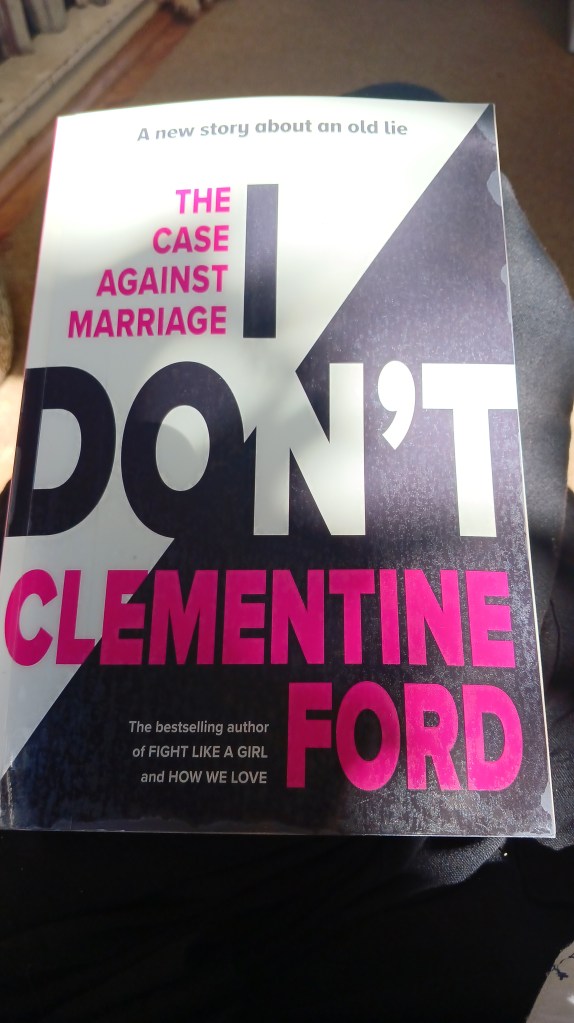
and it is making me think about the connection between the patriarchy and ANZAC day commemorations and the deaths of worthwhile men, the protectors, over the deaths and treatment of women during war and also the treatment of conscienious objectors and then their subsequent hero status. Thinking about this is making me think about the connections that the oppressed need to make, and the different consciousnesses. It is also reminding me how challenging positions can be to others who are just going along with the dominant hegemony. Who hold the dominant belief sacrosanct.
 Anne Bieleski Portfolio
Leave a comment